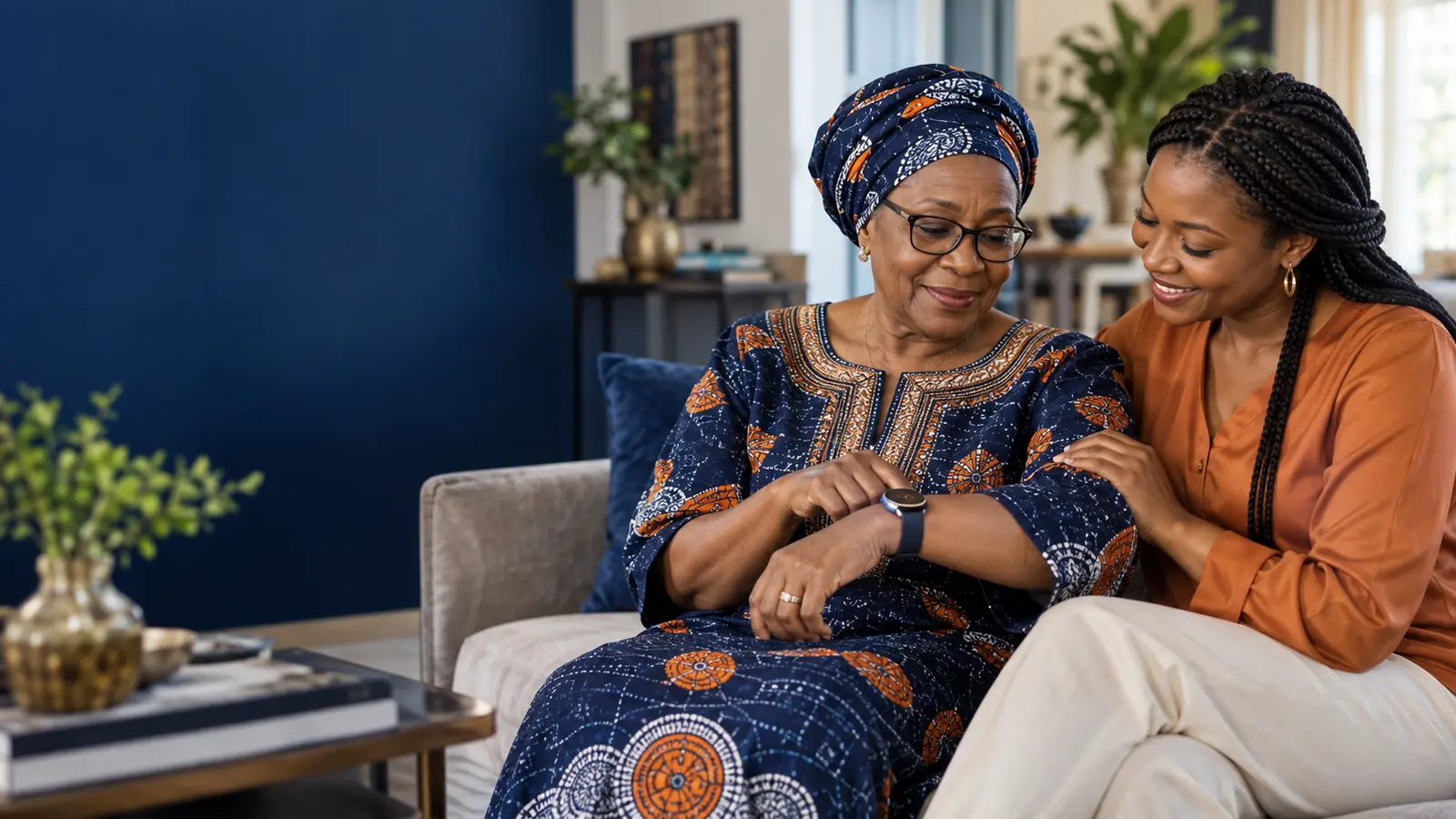
Wearable Safety Technology in Nigeria: Health, SOS and Location Features
In brief: Wearable technology can support safety through one-touch SOS alerts, location sharing, fall-related alerts, reminders and selected wellness measurements. It should complement, not replace, medical care, responsible supervision and a clearly organised emergency-response process.
What safety wearables can do
Depending on the device, wearables may provide SOS activation, two-way calling, GPS or network location, geofences, inactivity alerts, reminders and basic wellness readings. The practical value lies in connecting an event to someone able to respond.
Consumer fitness features and emergency features should not be confused with clinical diagnosis. Measurements may be useful indicators but can be affected by fit, movement, skin contact and device quality.
Design the response pathway
An alert needs defined recipients, escalation steps and current contact details. Families should decide who receives the first call, what happens if that person is unavailable and when a hospital, ambulance or security team should be contacted.
The user’s name, location, medical considerations and emergency contacts should be maintained securely and reviewed periodically. Practice tests help everyone understand the process.
Connectivity, charging and location limits
Some devices use Bluetooth through a phone, while others include Wi-Fi or a SIM. Coverage, subscription, roaming and indoor location accuracy vary. GPS is generally more effective outdoors; indoor location may rely on Wi-Fi or network methods.
A wearable that is not charged or worn cannot help. Choose a form factor the user accepts, create a simple charging routine and test alerts in the places the person spends time.
Privacy and responsible use
Location and wellness information is sensitive. Access should be restricted, accounts protected and sharing limited to people with a legitimate role. Users should understand what the device collects and consent wherever possible.
Avoid marketing claims that promise guaranteed rescue or medical diagnosis. Describe response arrangements and device limitations honestly.
Selecting and supporting a device
Consider comfort, water resistance, battery life, speaker clarity, button accessibility, network compatibility, caregiver interface and local support. Older users may value a simple dedicated SOS control over a feature-heavy smartwatch.
Provide onboarding, test calls, charging support and periodic checks. Technology becomes dependable through an operating routine, not merely through purchase.
Planning checklist
| Decision | What to confirm |
|---|---|
| Objective | The exact safety, security or operating outcome required |
| Environment | Power, connectivity, weather, users and site constraints |
| Evidence and data | Records, retention, permissions, privacy and reporting |
| Resilience | What must continue during power or internet interruption |
| Support | Acceptance tests, training, maintenance, warranty and escalation |
Frequently asked questions
Can an SOS watch call family members?
Many devices can call or notify configured contacts, but the exact sequence and connectivity requirements depend on the product.
Does a wearable replace medical monitoring?
No. Consumer devices do not replace professional assessment, diagnosis or emergency medical care.
Will GPS work indoors?
Indoor accuracy may be reduced. Some systems supplement GPS with Wi-Fi or cellular location methods.
Who should receive an emergency alert?
Choose reachable people who understand the response plan, and define backups if the first recipient does not respond.